Bodies, Processes, Traces: Dance and the Moving Images
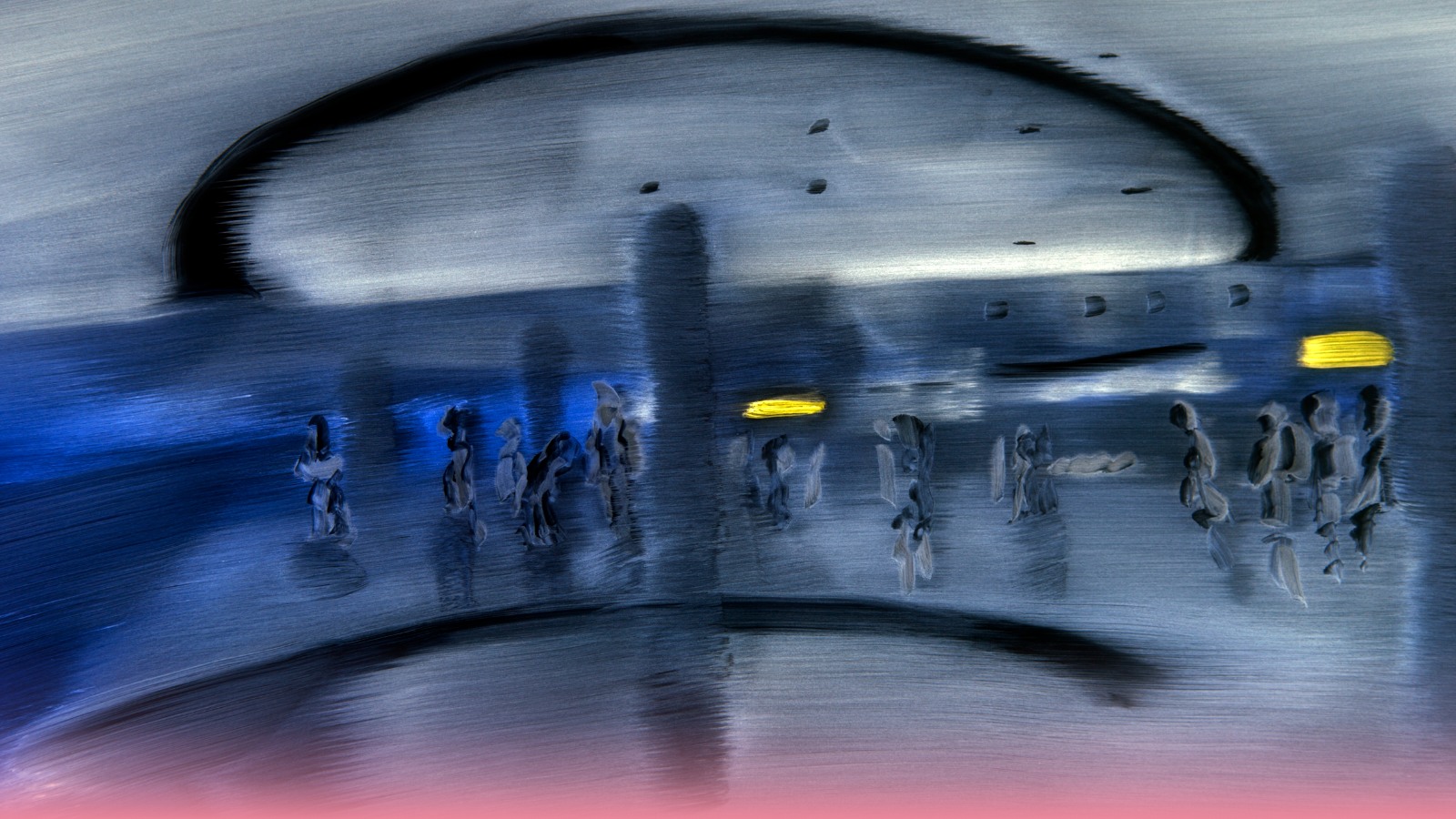
Still Frame from the film Airport, 2017, paint on glass animation by Michaela Müller
Three days of talks, masterclasses and screenings of dance video works in a programme by the ADU Dance Department.
The conference programme brings together local and international artists, researchers and specialists in dance, film, improvisation, somatic practice and production. Opening a space for dialogue, exchange and collaboration between academic and artistic practices, it is organised around the following themes:
- dance, image and imagination
- interdisciplinarity and intermedia collaboration as sustainability and accessibility of dance practice
- somatic practice in an age of visual dominance
- embodiment, social media and other communication platforms – adaptations, new formats, new challenges and new perspectives
The accompanying programme includes screenings of dance video works by ADU alumni.
Programme
Friday, 6 November
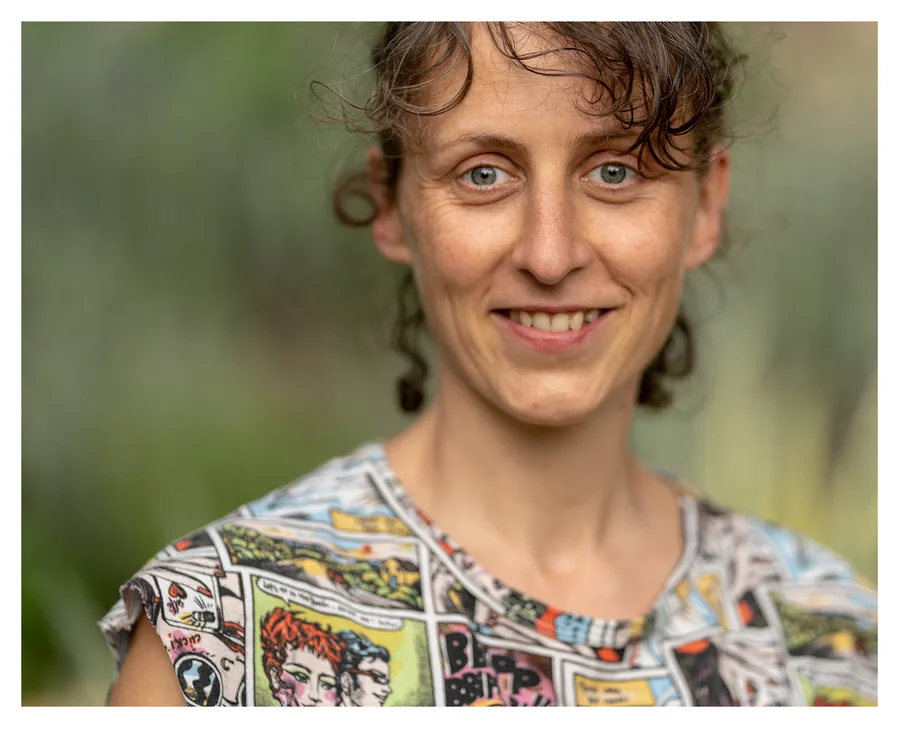 Bernadett JobbágyWhen Space Becomes a Collaborator in Filmmaking. Somatic Perspectives on a Choreographic Film and a Stereoscopic Film Installation
Bernadett Jobbágy, a Budapest based choreographer, performer and filmmaker, she graduated from the Corvinus University of Budapest as a landscape architect. Later she studied dance at the Budapest Contemporary Dance Academy.
What happens when space is approached not simply as a setting for filmmaking, but as an active participant in the creative process? How can embodied attention influence the ways in which we move, frame, film, and perceive space?
This presentation draws on two very different artistic works developed during my practice-based doctoral research into somatic approaches to filmmaking: KITCHEN (2026), a choreographic short film, and DAUNCE 3X (2024), a stereoscopic 3D film installation. While both works emerged from a close engagement with space, the nature of this relationship – and the ways in which space shaped the filmmaking process – was fundamentally different in each case.
In KITCHEN, an old domestic interior awaiting renovation became a kind of collaborator. Through improvisation, embodied listening, and a receptive approach to the material and atmospheric qualities of the space, movement and camera work emerged in dialogue with its traces, memories, and temporal layers. Rather than imposing a predetermined choreography, we allowed ourselves to be moved by what the space seemed to evoke.
In DAUNCE 3X, spatiality was approached through stereoscopic imaging of moving bodies and a three-channel installation, inviting the viewer into a more active and bodily encounter with the moving images. The triangular arrangement of the screens creates an immersive, almost 360-degree spatial configuration that alters the conventional frontal relationship between viewer and film. The installation requires the spectator to continually reorient themselves within the space, while also inviting a different attitude of being with the images – one that is less about looking at a screen from a fixed position and more about inhabiting a spatial and bodily relationship with the artwork. In this sense, space emerges not only as a condition of the work, but as something produced and reconfigured through the relation between body, camera, image and spectator.
Drawing on the findings of my doctoral research, I will use these two processes to reflect on somatic filmmaking as a practice in which bodily perception becomes both a mode of knowing and a creative tool. I will consider attunement, receptivity, intuition, and embodied spatial perception, asking how different relationships with space can generate different modes of filmmaking and spectatorship.
Rather than proposing a fixed method, the presentation suggests somatic filmmaking as a relational practice: a process in which filmmaker, body, space, camera, image, and spectator continuously shape one another.
Biography
In 2021 she completed her film editing studies at the Lumiere Film School (Budapest), and in 2023 she became a certified Somatic Movement Educator in The School for Body-Mind Centering®. Her predominant background is movement: contemporary dance and improvisation, somatic approach, Tai Chi and QiGong. Currently she works as independent artist and researcher, movement pedagogue and filmmaker. Her research includes film as embodied art, and the somatic possibilities of choreographic moving image.
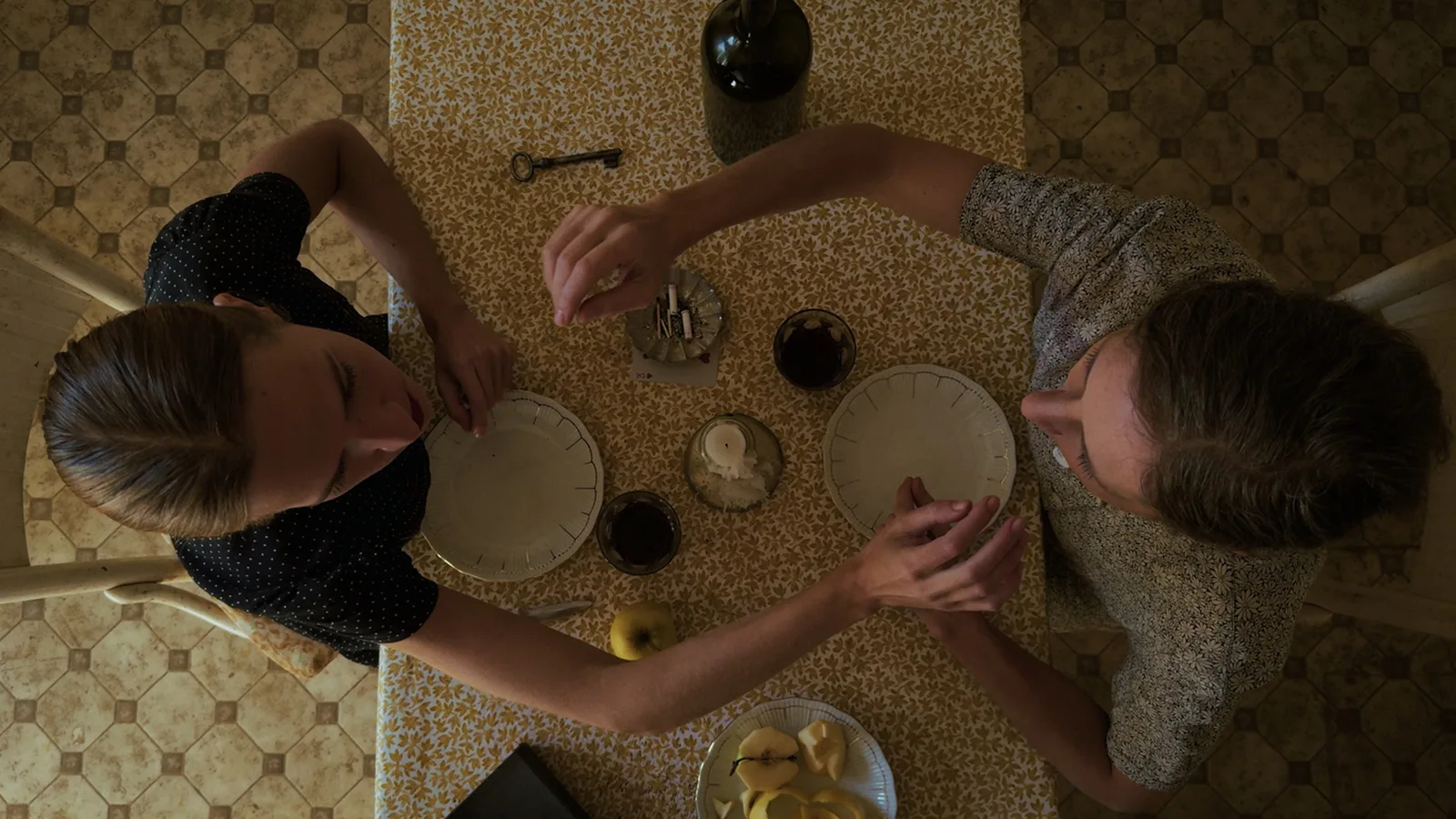
KITCHEN · film still 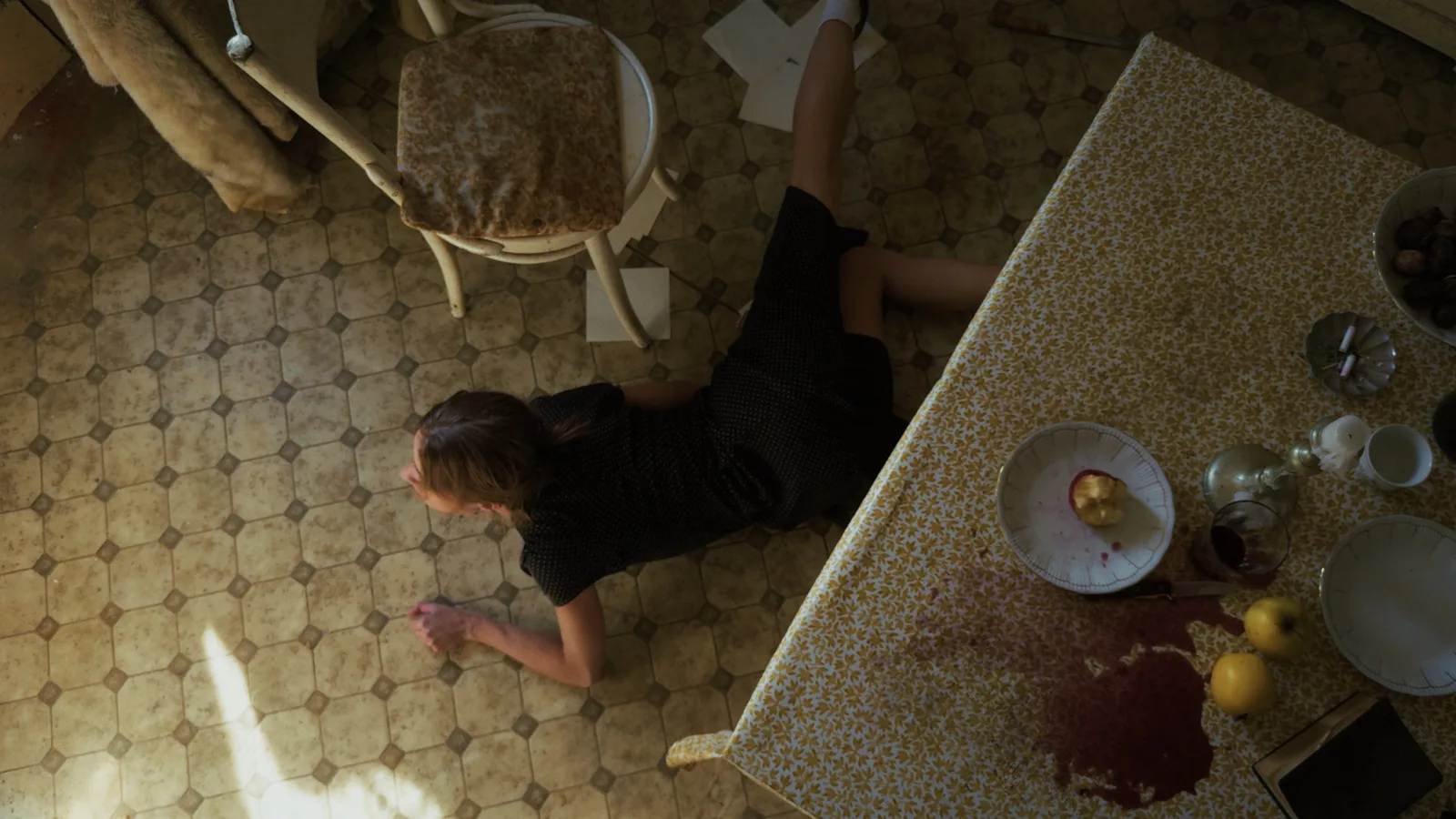
KITCHEN · film still 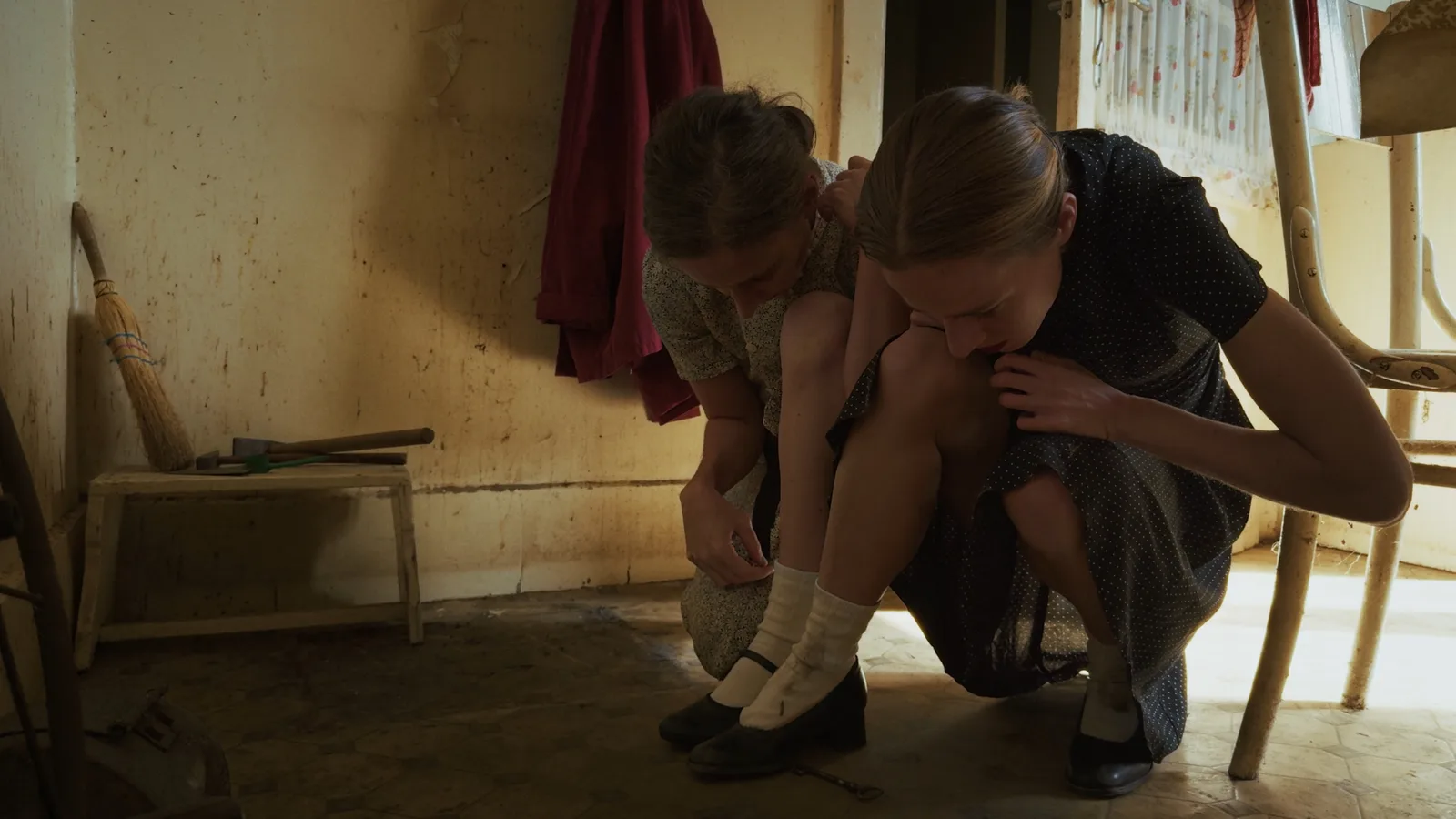
KITCHEN · film still 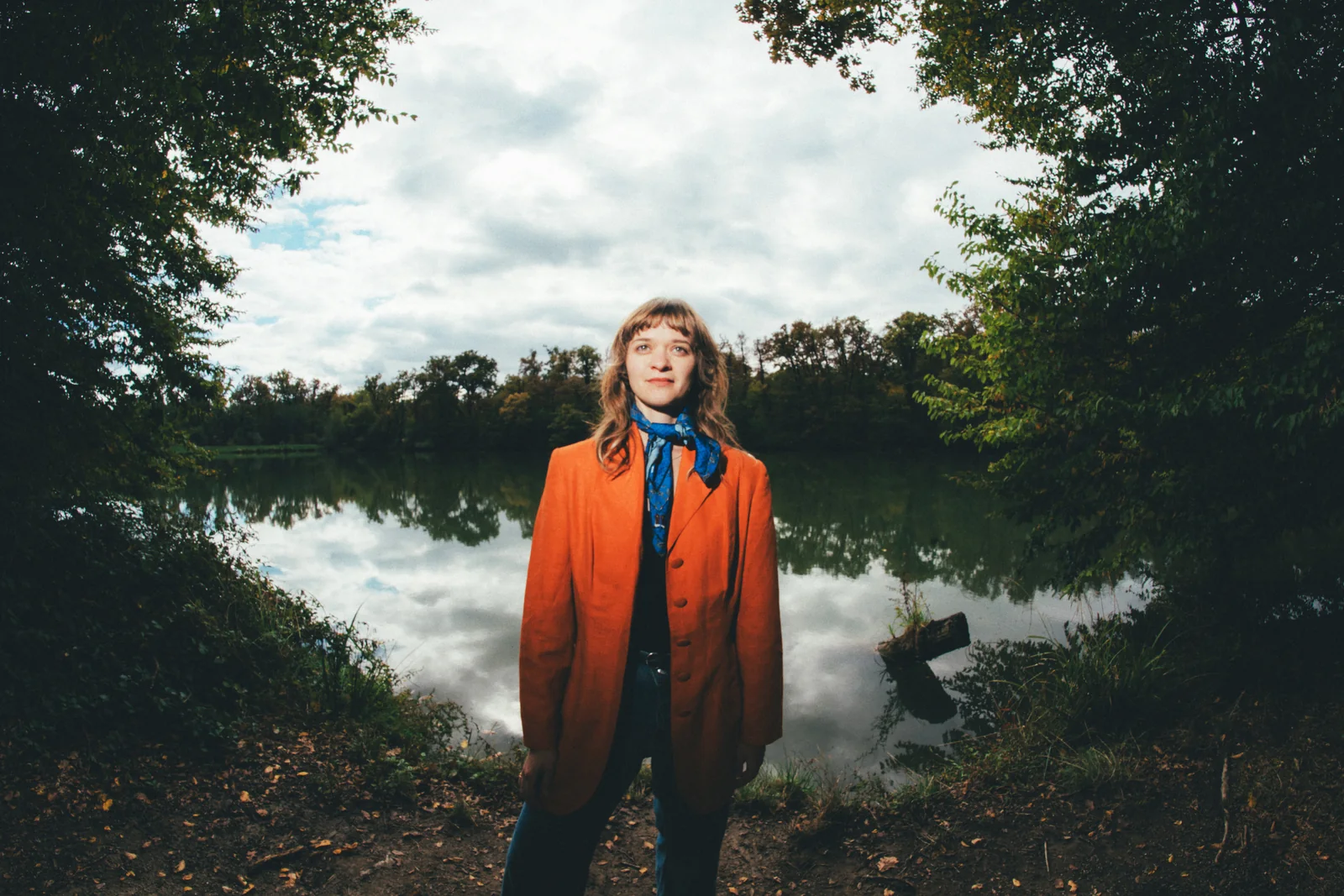
 Ema Crnić and Urh PircRole Switching Practice
Ema Crnić (1996) is a dance artist based in Zagreb, active on the Croatian dance scene since 2018 as a performer, choreographer, and researcher. She began dancing at Ribnjak Youth Center and the Ana Maletić School of Contemporary Dance.
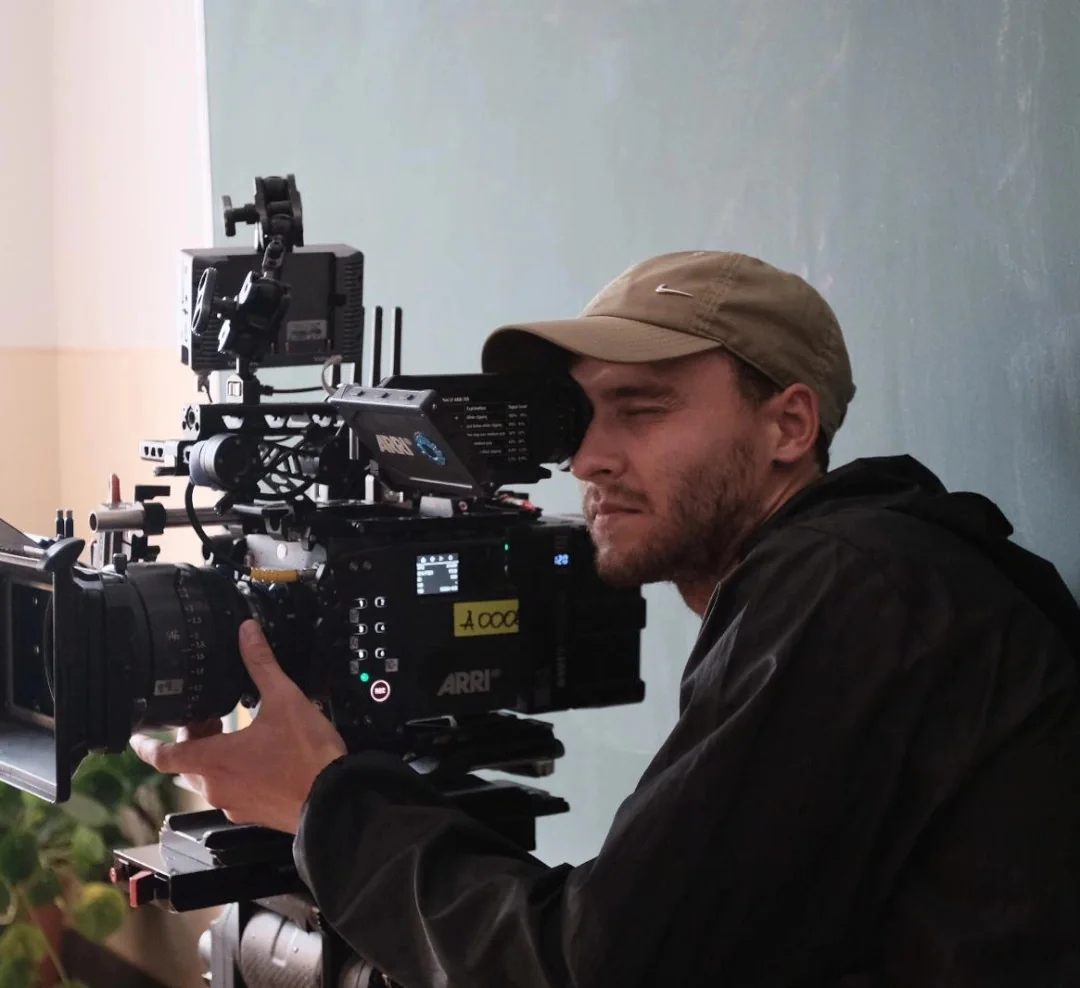
In their presentation, Ema Crnić and cinematographer Urh Pirc, alumni of the Academy of Dramatic Art at the University of Zagreb, will present their collaborative projects to date, with a particular focus on Ema’s graduation project, Movementing (2024) developed between Zagreb and Antwerp.
Through this collaboration, they have explored and developed a practice of exchanging the roles of cinematographer and performer. This process has also opened a dialogue around the artistic material generated through this exchange and around the challenge of defining forms of parallel performativity—that of the cinematographer and the performer. The interdisciplinary nature of this experiment has offered all collaborators deeper insight into the artistic practices of their colleagues involved in the process, while stimulating their imaginations around other possible performative formats.
Alongside the practice developed through Movementing, Ema and Urh will discuss how their collaboration has informed their individual artistic practices.
Biography
She holds a BA in Contemporary Dance from the Academy of Dramatic Art in Zagreb and a MA degree in Dance Research from the Royal Conservatory in Antwerp, Belgium. Over the past decade, she has participated in workshops and residencies and collaborated with dance and theatre artists, organizations, and collectives. Her artistic practice encompasses collaborative and independent works. In 2018, she co-founded Škvadra Art Organization, dedicated primarily to site-specific performance. Since 2025, she has also served on the board of UPUH and contributed to the development of Sauna, an improvisation platform. Her current research explores the relationship between the body and the camera, focusing on the performance of the gaze, the organization of attention, and teamwork.
Urh Pirc (1999) was born in Ljubljana. He completed his undergraduate studies in cinematography at the Academy of Dramatic Art in Zagreb (2023). As a director of photography, he has worked on various fiction and documentary projects that have been screened at festivals in Croatia and abroad. Last year, the Slovenian Society of Cinematographers awarded him the prize for best cinematography in the student category for the film Grčke Marelice. He participates in dance performance projects and participated in Ema Crnić’s artistic research project Pokretiranje (2024).
Ema Crnić · Photo: Marina Uzelac Urh Pirc 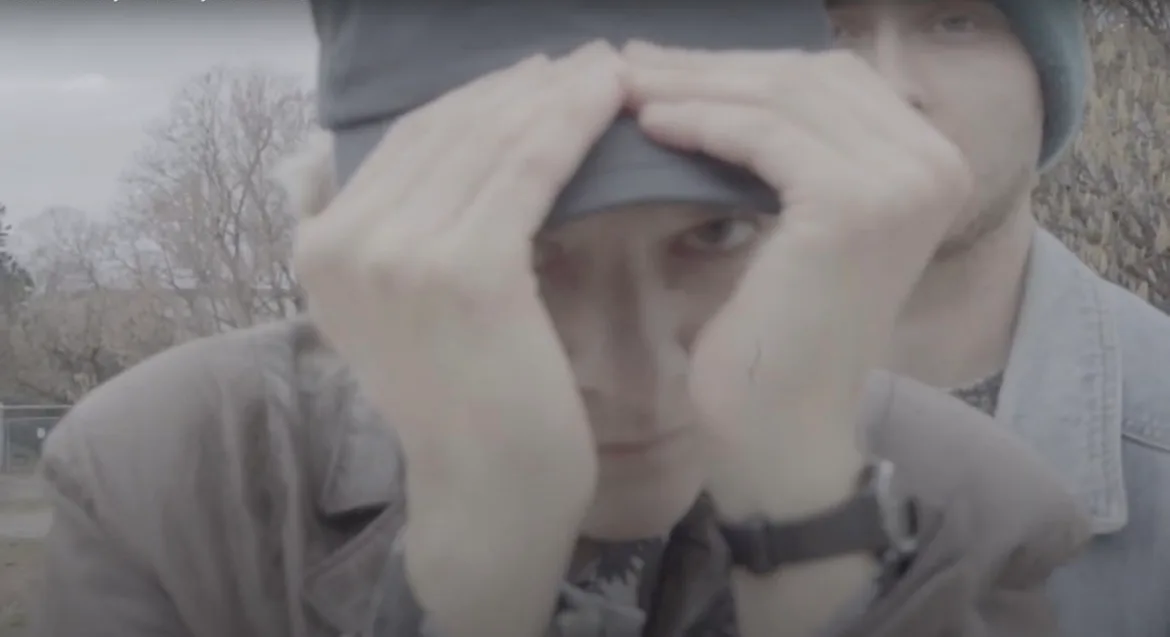
Visual for Ema Crnić and Urh Pirc’s presentation
- Screenings of dance video works by ADU alumni
Saturday, 7 November
 Michaela MüllerOn the ephemerality of moving images and dancing bodies. Where dance and animation meet.
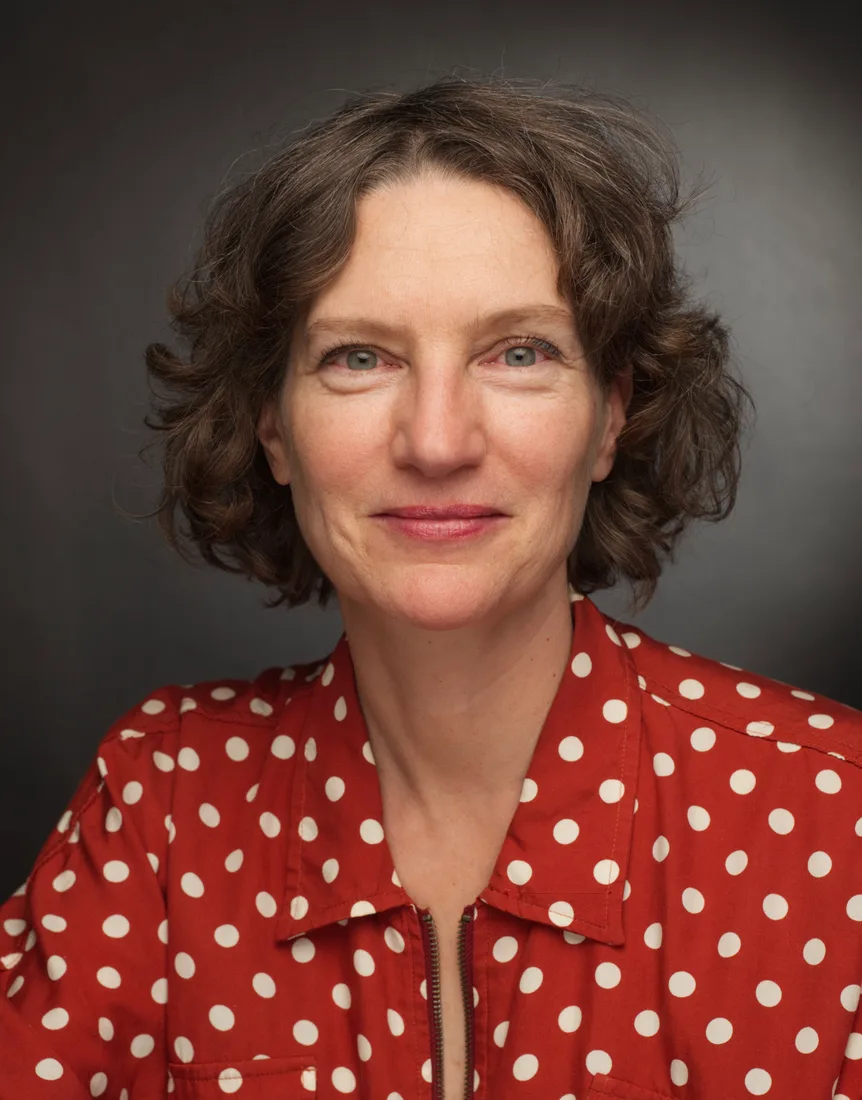
Michaela Müller is an award-winning animation artist known for her distinctive paint-on-glass animation technique. Her short animated films Miramare (2010) and Airport (2017) have received international acclaim, screening at festivals worldwide and winning numerous awards.
Portrait: D-J Stieger
The dancing body moves fluidly, while the animator, seated, conceives a movement and creates it frame by frame, each one differing slightly from the previous one. When played in sequence, these individual frames create the illusion of movement—thanks to this slight difference between each individual frame and the one before it.
Dance and animation seem to tap into the same secrets of movement, albeit through different approaches.
The animator’s fascination with dance and dancers dates back to the very beginnings of the medium. Drawing on her own fascination with dance, Michaela Müller takes us on a journey through the history of animation, presenting examples of films and performances that bring dance and animation together.
Biography
She holds a Master’s degree in Animation and New Media from the Academy of Fine Arts in Zagreb. Her artistic practice combines fluid, hand-painted imagery with evocative storytelling, often exploring themes of movement, migration, and human connection. Alongside filmmaking, she creates multimedia performances that combine dance and live animation to offer immersive experiences. Her work is also regularly exhibited in galleries and other exhibition spaces.
Müller has served on the juries of numerous international film festivals and led masterclasses at festivals and universities. She has also lectured in animation at the Zurich University of the Arts (ZHdK). Her latest project is an animated documentary based on the life of her co-director, visual anthropologist Darcy Alexandra, scheduled for release in 2027.
Links
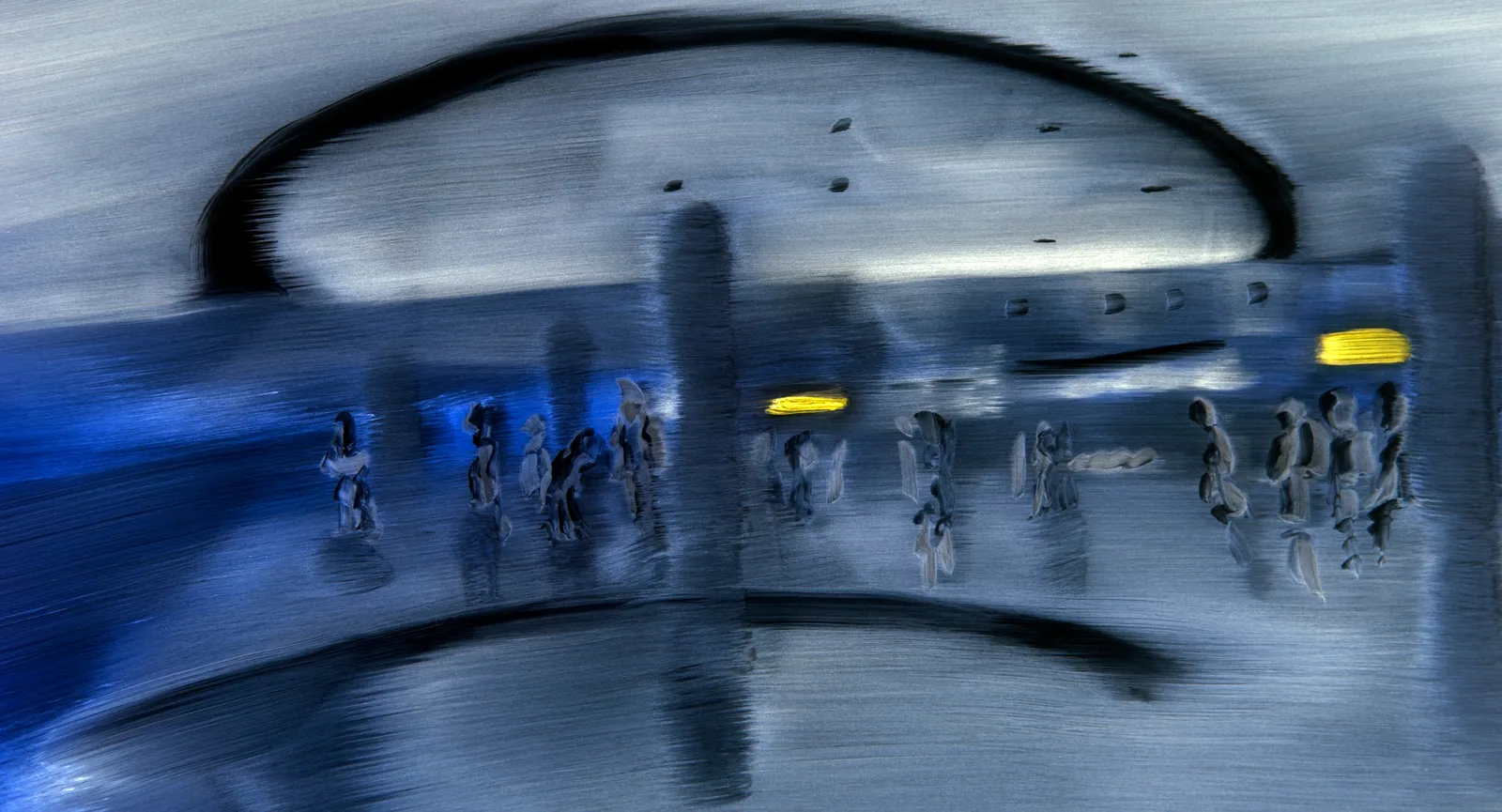
Airport lobby · animation still 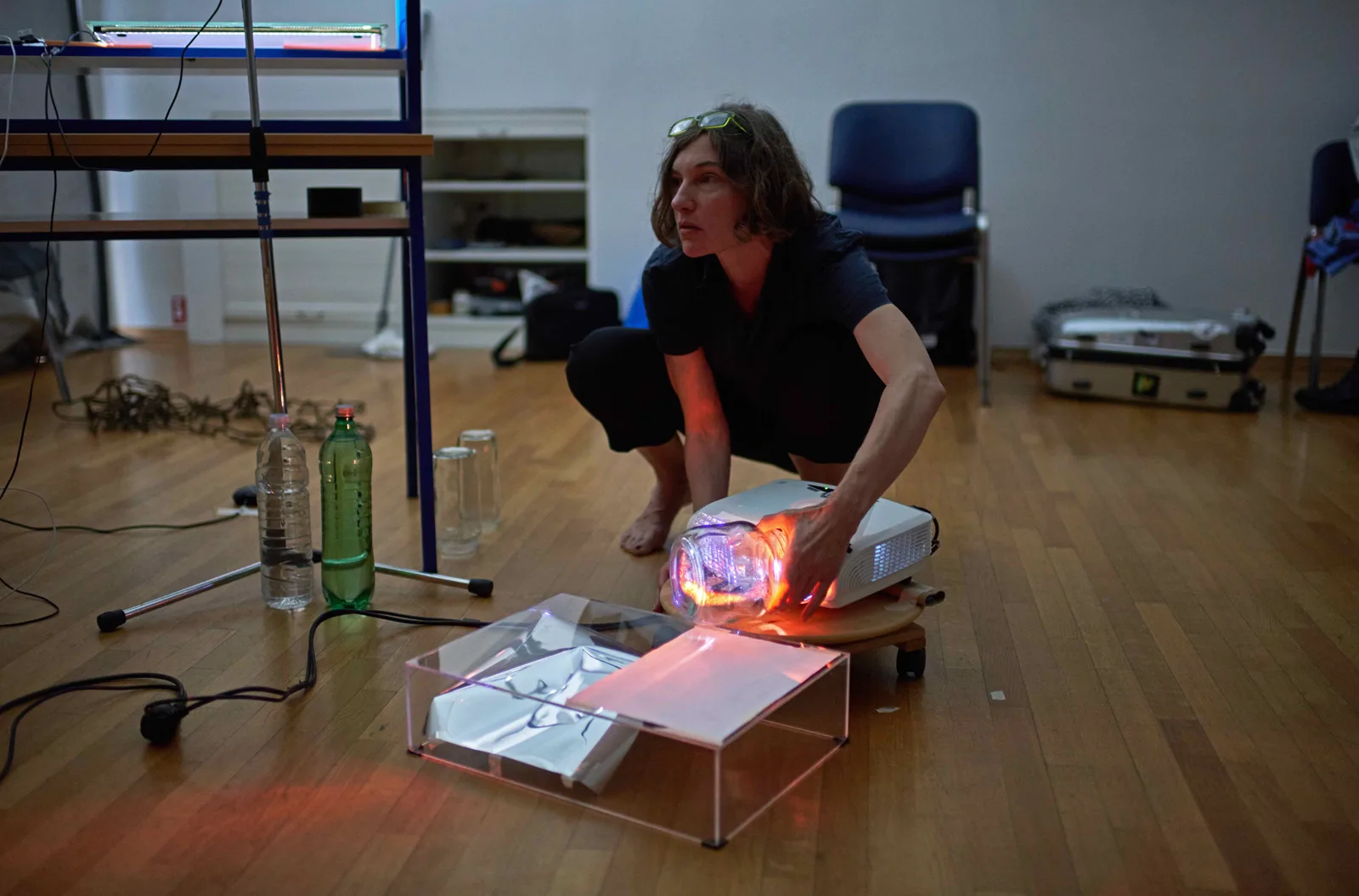
Working on animation 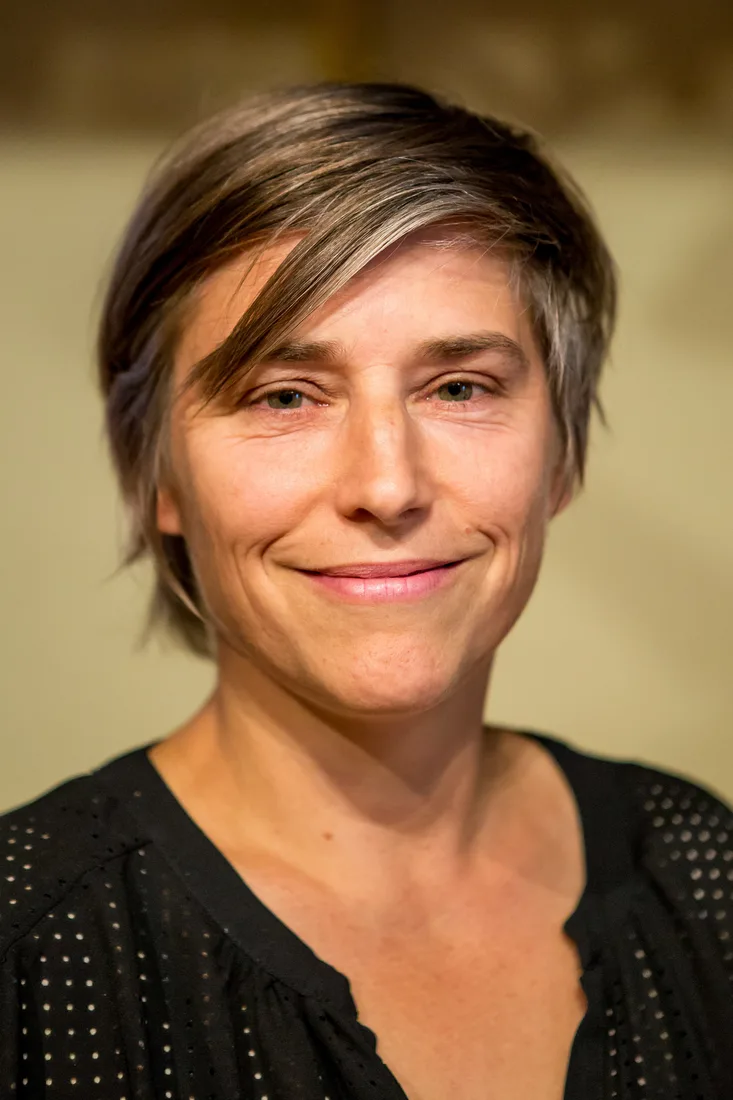 Olive BieringaVideo, Perception, Dancemaking and Ethical Relationality
Olive Bieringa works at the intersection of creative practice and pedagogy in dance, performance, somatics and media. She holds a BA in Dance from European Dance Development Center in the Netherlands and an MFA in Performance and New Media at Long Island University in Brooklyn, NY.
This presentation reflects on the role of video in the evolution of my choreographic practice - from studio research and rehearsal documentation to dance films, video installations, large-scale projections in performances, and the content generated for digital and social media platforms.
I explore how choreography can cultivate modes of attention shaped by embodied perception rather than visual dominance. Informed by the Lisa Nelson's compositional Tuning Scores and Bonnie Bainbridge Cohen's Body-Mind Centering®, I consider how our understanding of the world is rooted in movement and the full spectrum of sensory experience before it is organized and understood through vision.
Drawing on almost three decades of work I will discuss how working with the camera has enabled us to move beyond conventional performance venues and create dance in remote landscapes, urban environments, and public spaces including public television. I will examine how context, mediation, and the camera shapes relationships between performers, audiences, and place. At a time when mobile phones increasingly mediate our encounters, I also ask what becomes possible when we meet one another directly, sharing time, attention, and embodied presence without the screen.
Biography
She is a doctoral candidate at University of the Arts, Helsinki Her research asks How does ecosomatic choreography foster embodied ethical relationality? She is a Certified Movement Therapist (ISMETA), Infant Developmental Movement Educator® and Body-Mind Centering® Teacher and Program Director of Somatic Education Australasia. She founded BodyCartography in 1998 in San Francisco with Otto Ramstad (USA). BodyCartography’s artistic and educational work cultivates tools for collective evolution in this moment of planetary crisis. Through somatic, dance, choreographic and curatorial practice we work with resonant, relational and regenerative approaches that support the vital materiality of bodies, minds, and the more-than-human world.
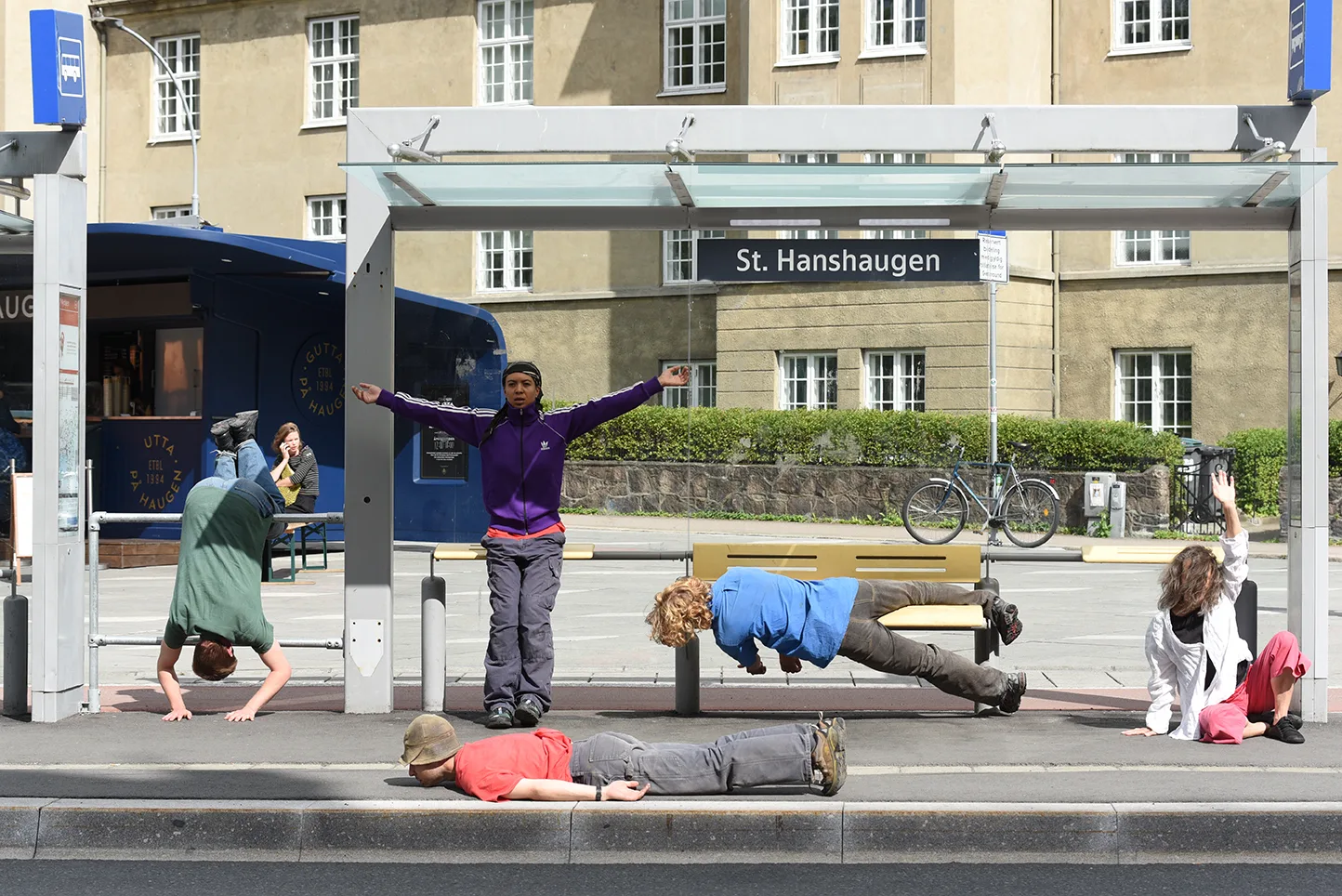
BodyCartography · TOGETHERING · Photo: Sean Smuda 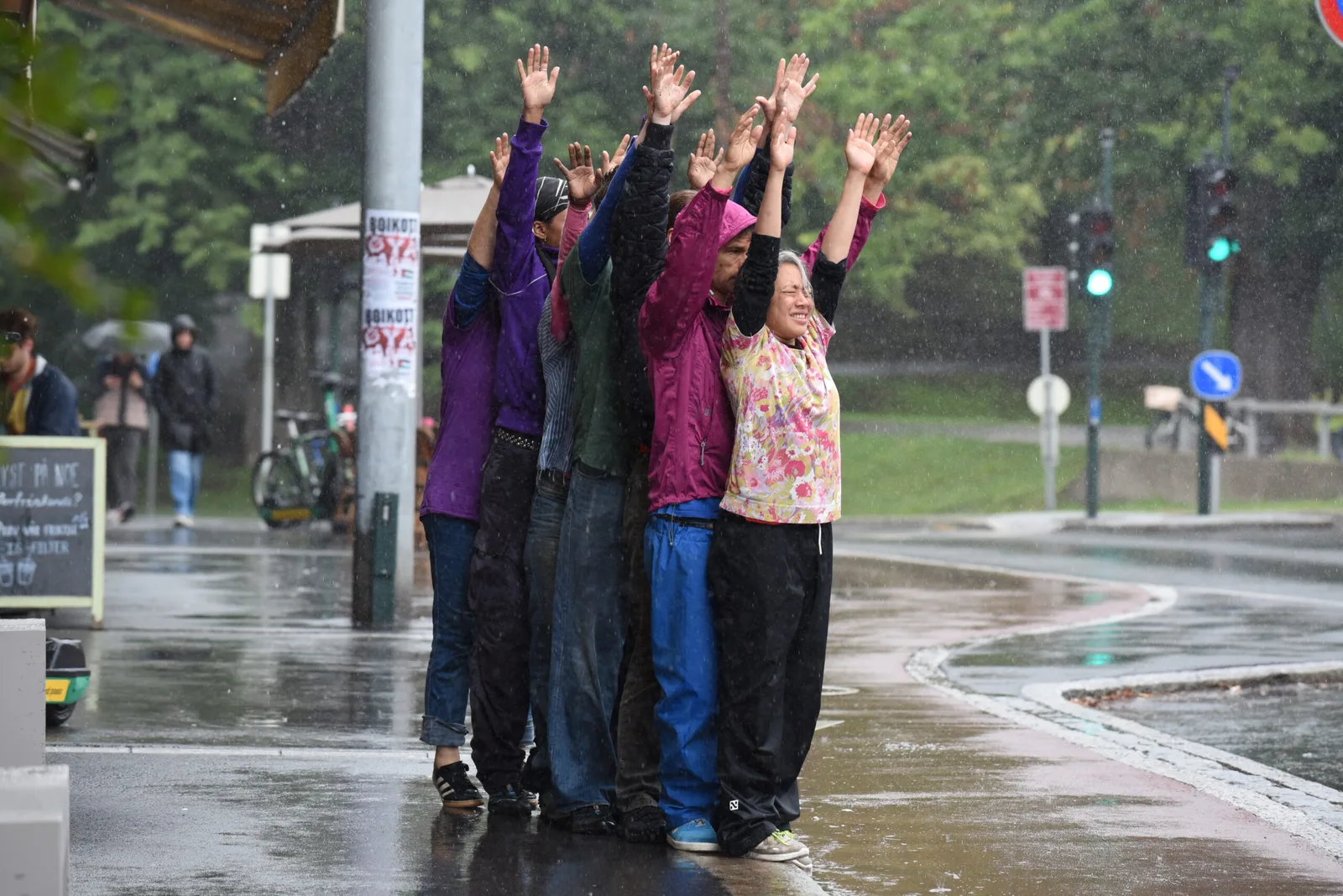
BodyCartography · TOGETHERING · Photo: Sean Smuda 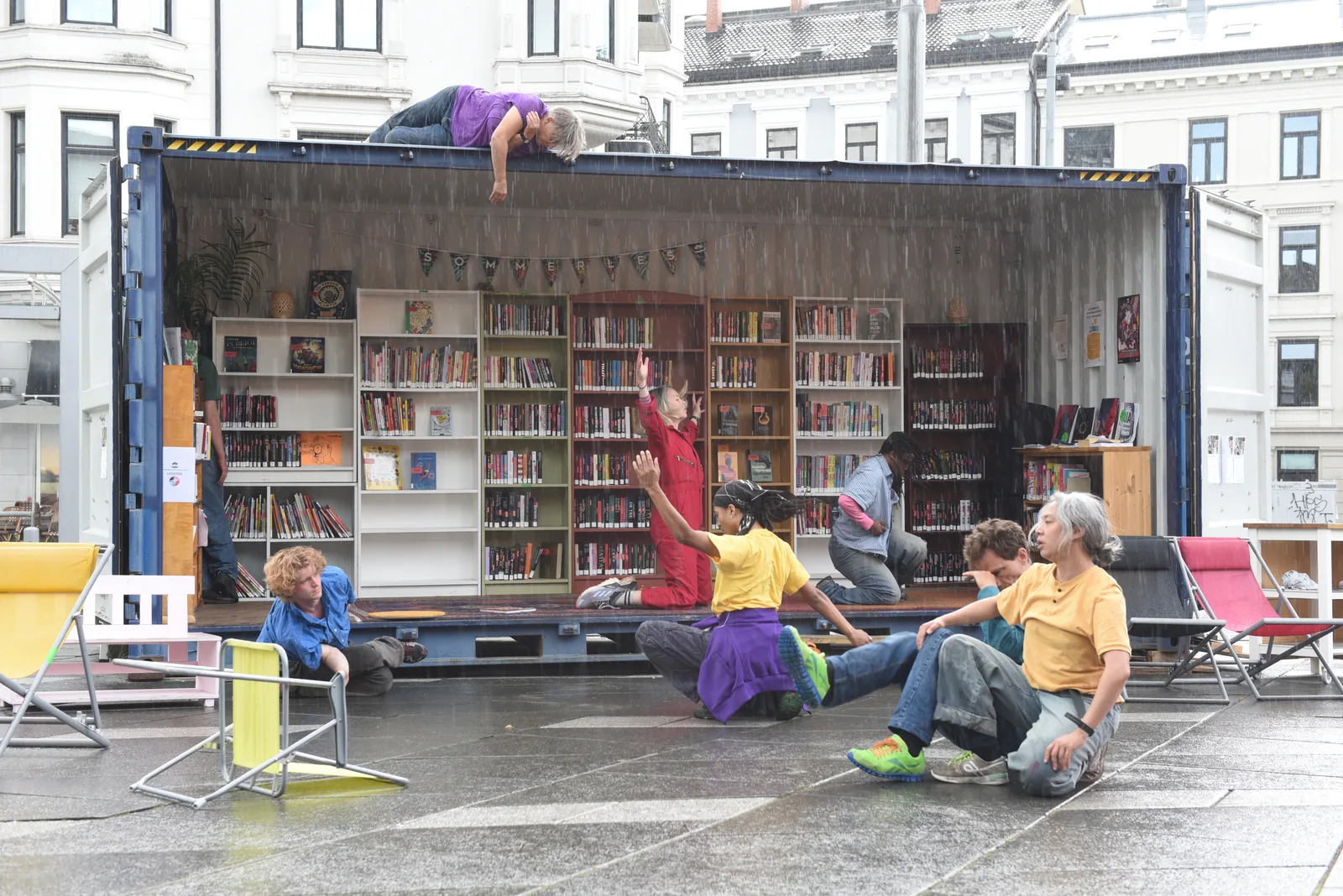
BodyCartography · TOGETHERING · Photo: Sean Smuda 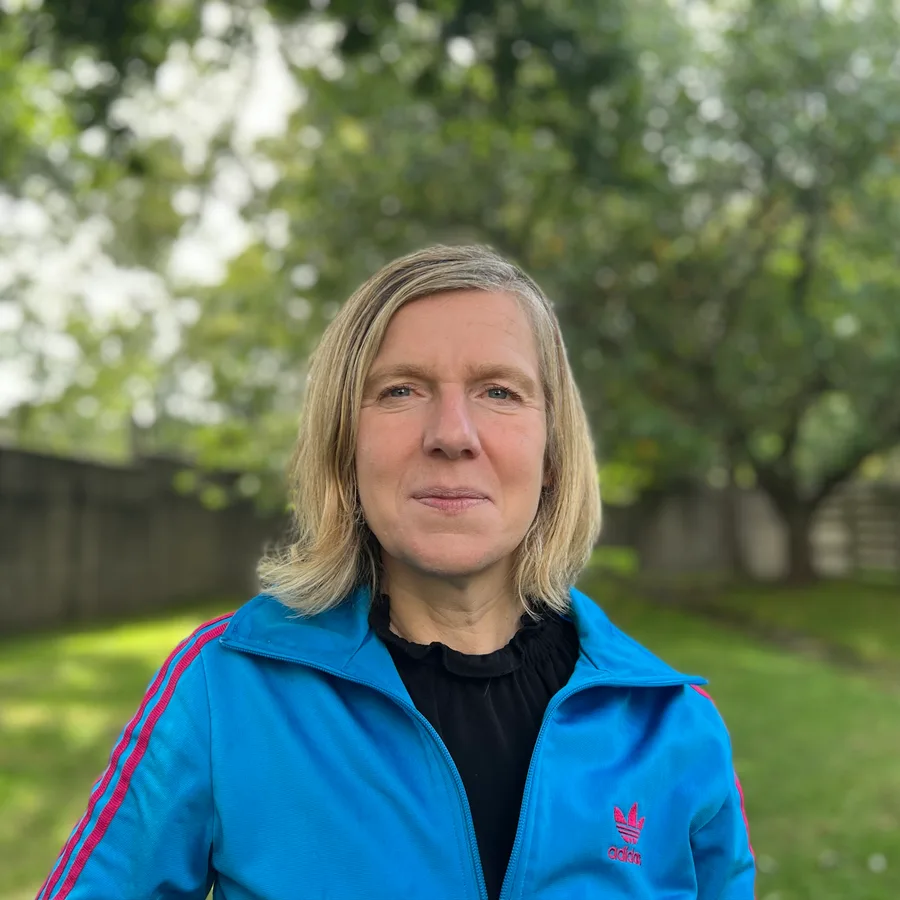 Dr. Katrina McPhersonRadical: Ritual, Repetition and Resonance in experimental screendance practice
Katrina McPherson is an award-winning interdisciplinary artist working at the intersection of performance and moving image. Her practice spans artist film, installation, documentary, and live contexts.
In this new presentation, I use examples of screendance films that I have directed to articulate methods designed to invite audiences into intimate encounters with human presence in place. At the core of my artistic practice is a commitment to creating powerful, emotionally driven works that resonate deeply with audiences. I am also interested in exploring how experimental form can remain accessible - inviting viewers into intimate encounters with vulnerability, presence and environment, while challenging conventional structures.
In doing so, the work seeks to draw connections between shifting narratives of the natural world and the poignancy of human relationships and highlight the implications of these connections as we navigate the global and personal challenges of contemporary life. The presentation will focus on Moving Through The Frame my most recent screendance project with improvising dance artists Kirstie Simson and Charlie Brittain, which is currently in process.
Biography
Through embodied cinematography, improvisation and rigorous structural processes, she has developed innovative artistic language that expands how movement, time and place are experienced. Over more than 35 years, from her home in Scotland, she has directed a wide range of works created in collaboration with performers, choreographers, composers, and companies. The resulting works have been presented at festivals, galleries and venues worldwide and are held collections including LUX Artists’ Moving Image and Routledge’s Online Performance. Over a period of 15 years, Katrina was a director of arts programmes for UK television, making films for the BBC, Scottish Television, ITV and Channel Four. In 2020, Katrina received a Career Achievement Award at Dance Camera West Festival in Los Angeles; an Honorary Award at the Choreoscope Dance Film Festival in Barcelona (2022) and the Creative Scotland Award (2002). Her films have been the subject of numerous international retrospectives, including most recently at the Jumping Frames Festival in Hong Kong in November 2025. Katrina is the author of “Making Video Dance, a step-by-step guide to creating dance for the screen”, first published by Routledge in 2006, with a second edition published in 2019. Katrina is currently writing the 3rd edition which will be released in early 2027. A much sought-after lecturer and mentor, Katrina teaches extensively and has initiated and facilitated numerous workshops, courses and symposia worldwide. Katrina currently the Course Leader of the MA Screendance at London Contemporary Dance School and is a PhD supervisor at LCDS and University of the Arts London.
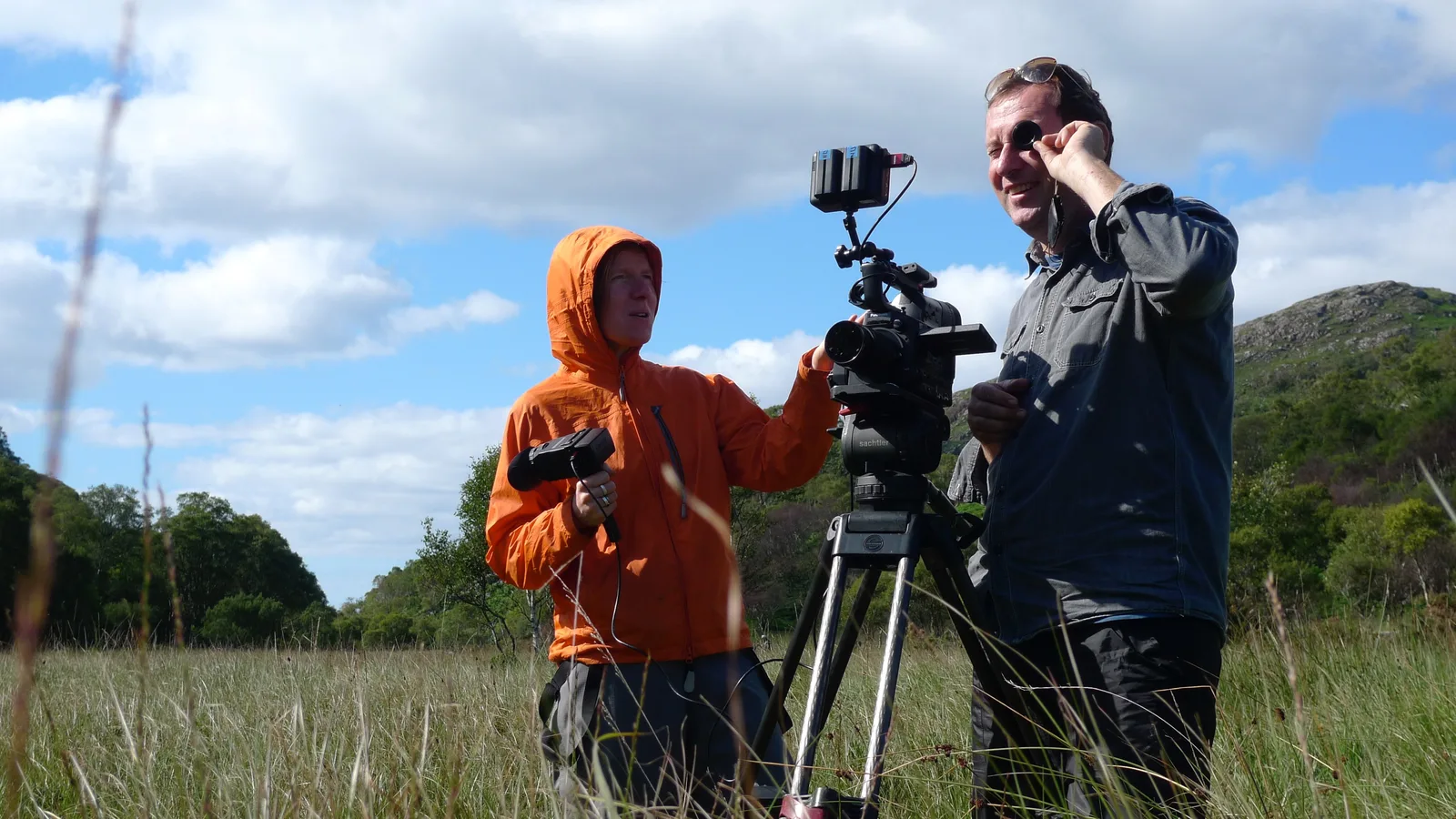
Katrina McPherson and Jono Smith 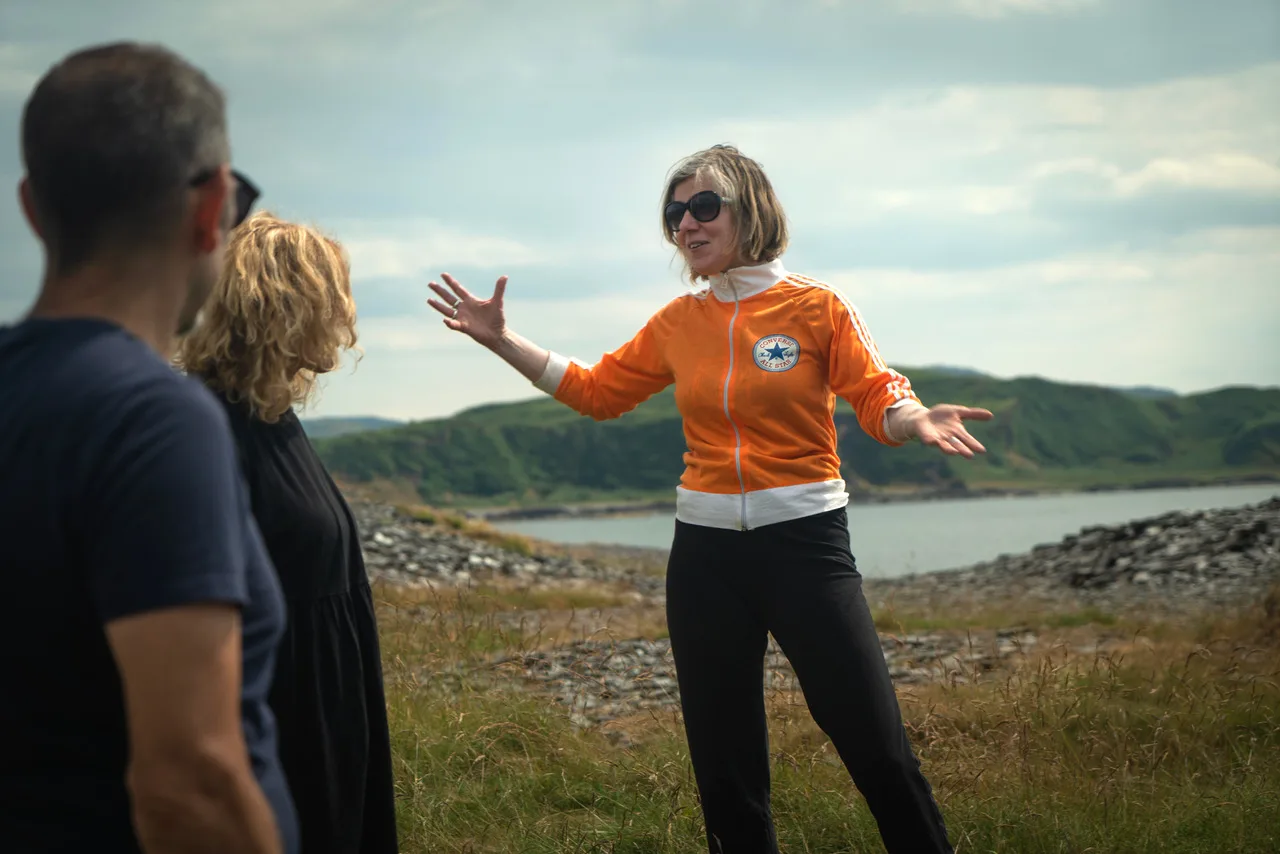
Katrina McPherson outdoors · Photo: Colin McPherson
- Screenings of dance video works by ADU alumni
- Olive BieringaUnderseeingBiography with the talk
Our senses begin as innate potential and are shaped through experience, interaction, and stimulation. While touch and movement are sensed throughout the entire body, vision, hearing, taste, and smell are centered in the head. Together, our senses connect us to both our inner world and the environment around us.
In this workshop, we will explore the development and interplay of our senses. Through guided dance scores, we will experiment with composing from the full spectrum of our sensory experience, expanding beyond vision to discover new ways of perceiving, creating, and relating through the body.
The workshop is open to participants with different levels of experience. Places are limited and allocated in order of registration at odsjekplesa@adu.hr.
Sunday, 8 November
- Dr. Katrina McPhersonMoving Through the Frame – developing an embodied screendance practiceBiography with the talk
Drawing on the rubric of the ‘empowered performer - embodied camera - empathetic viewer’, the workshop will offer starting points and tools for developing screendance practice. Participants of all experience levels are welcome. Please wear comfortable clothes for movement and bring a camera or phone for filming.
Places are limited and allocated in order of registration at odsjekplesa@adu.hr.
 Julie CharrierFrom Video Dances to Extended Reality (XR)
Julie Charrier dances almost every day from 4 to 20 years old, then discovers at the CNDC (Centre National de Danse Contemporaine) that movement can take place other than by dancing.
Dance is above all an art of oral tradition passed down from body to body. Many notation techniques have been devised, but for the past century, the moving image has been dance's greatest ally. This inseparable duo has evolved alongside technical and societal changes and has renewed modes of writing, dramaturgies, and forms. In the age of extended reality and social media, how can our bodies and images create, produce and broadcast new narratives and new practices to testimony the world and express what we are currently experiencing?
From my perspective as someone based in France, I will share the major projects I have been involved in: dance films and live recordings for ARTE; the seven-year dance archive digitization initiative I led for the Ministry of Culture; the launch of the free, curated platforms numeridanse.tv and 30ansdanse.fr; the role of XR and VR in choreographic creation; and the importance of dance in social media content.
Biography
She then followed a master’s degree in cinema, particularly motivated by video dances. It is moving towards the production of documentary films and recordings of live shows mainly oriented towards contemporary dance for many production companies. As advisor, then columnist and director, she participated in the birth and development of Numeridanse. She coordinates for the ACCN and the Ministry of Culture, delegation to dance, the digitization of French choreographic heritage and created the site 30ansdanse.fr. She is in charge of the artistic direction and production of the “Histoires d’espaces” virtual reality collection for the Aix and Avignon Festivals, as well as the production of some of the episodes. She produces and co-directs with Yvan Schreck, Nous, la danse, a 52-minute documentary, which follows CNDC students for a year. She develops and produces in situ projects where performance poetizes everyday life, awakens creativity, highlights neighborhoods, architectures and reveals the movements of all.
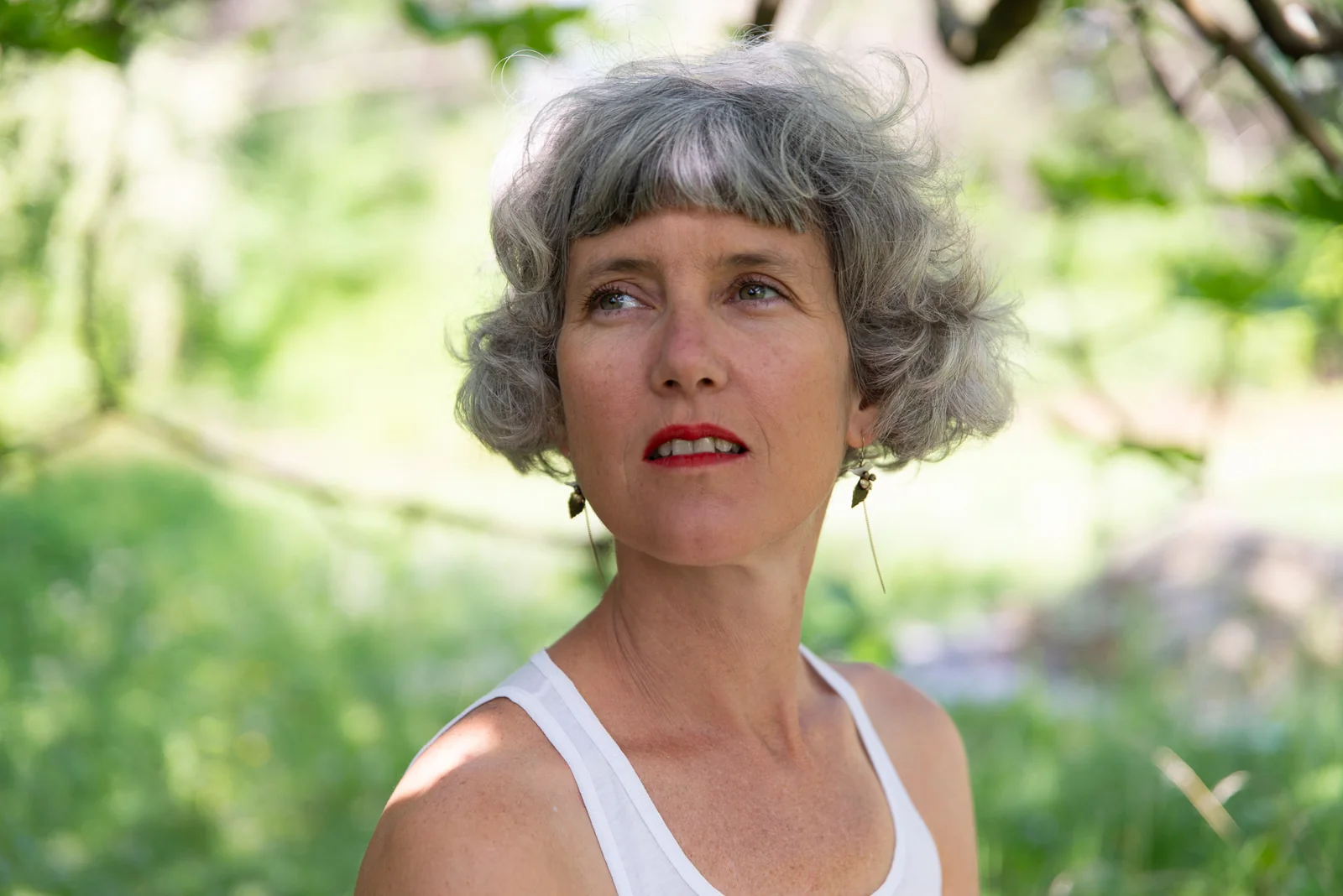
Julie Charrier · Photo: Alexandra De Laminne 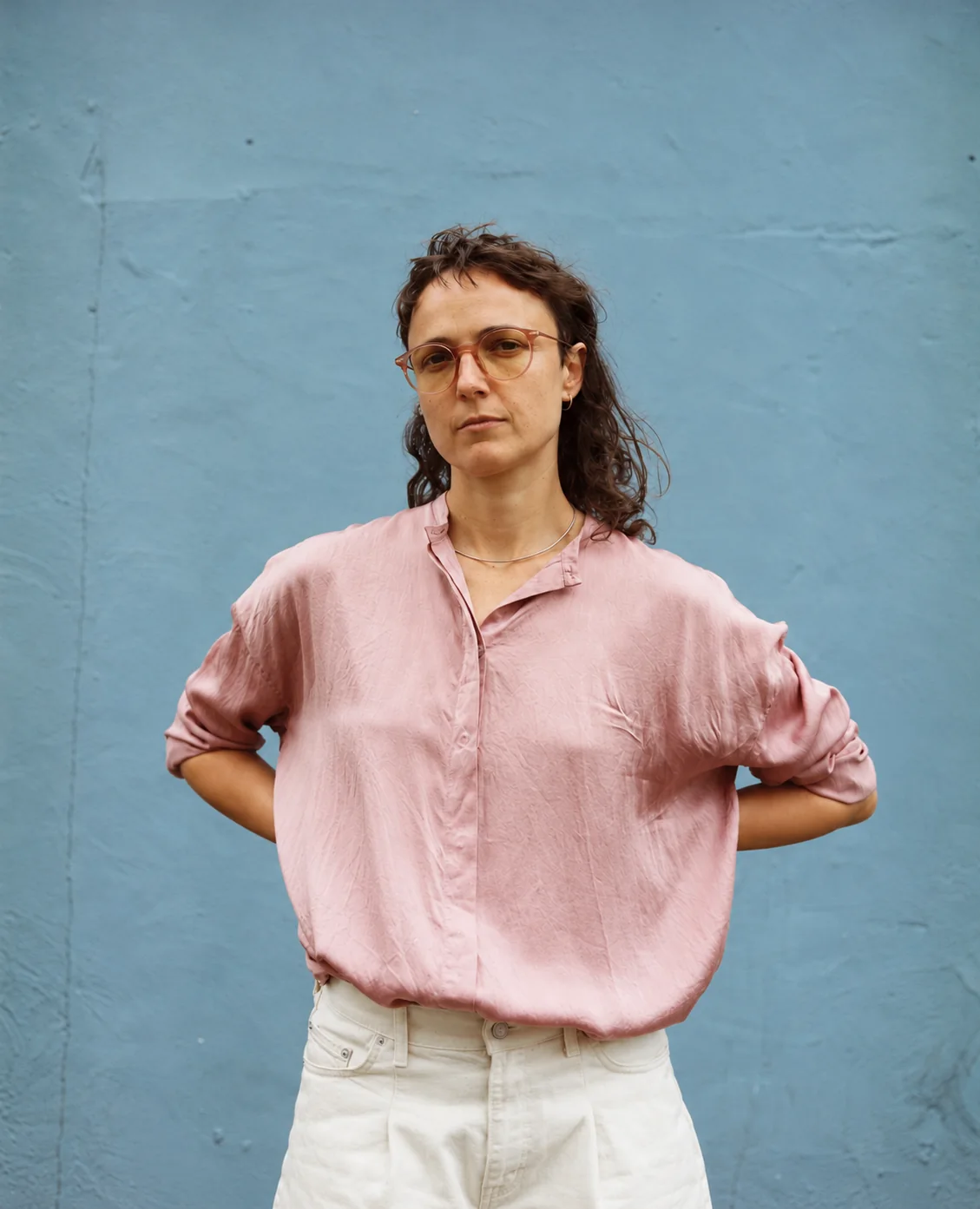 Dr. Zrinka UžbinecSuspending the Image
Zrinka Užbinec (they/she) dances and works with choreography, shaping it through different media and materials. They often choose collaborative projects and explore the emancipatory potentials of the dancing body.
The presentation departs from a method developed within my doctoral research, Moving Between Cuteness and Violence: A Choreographic Investigation. The research uses choreographic vignettes as responses to what is read, watched, felt, or observed. They take different forms across dance, video, drawing, photography, writing, and scores and, rather than serving as documentation or illustration of the research, operate as a mode of choreographic thinking and critical response.
Through several examples of video vignettes, the presentation asks what happens when the moving image is not simply a record of dance but becomes a space and material for choreographic thinking. Particular attention will be given to processes and layers of translation between image and movement, repetition, slowing down, and interruption, as well as to the idea of suspending the image: holding an image in a state of incompletion, delay, and ambiguity. Through the vignettes Heidi, Diminutive, and Tongue-in-(pinched)-cheek, I will consider how video can function as a tool for choreographic reflection and how choreography can operate across different media.
Biography
In their work, they approach choreography as a way of thinking, researching, and creating relations through dance, text, video, drawing, objects, and other materials. They hold an MA in Choreography and Performance from JLU Giessen and a practice research PhD from C-DaRE (Centre for Dance Research), Coventry University. Their doctoral research, Moving Between Cuteness and Violence: A Choreographic Investigation, explores the relationship between cuteness and violence and the metastability of choreography. They enjoy leading workshops that question dance and choreography as disciplinary skills. They hold the academic title of Assistant Professor at the Dance Department of the Academy of Dramatic Art, University of Zagreb, where they occasionally teach as a guest lecturer.
Zrinka Užbinec · Photo: Marley Starskey Butler 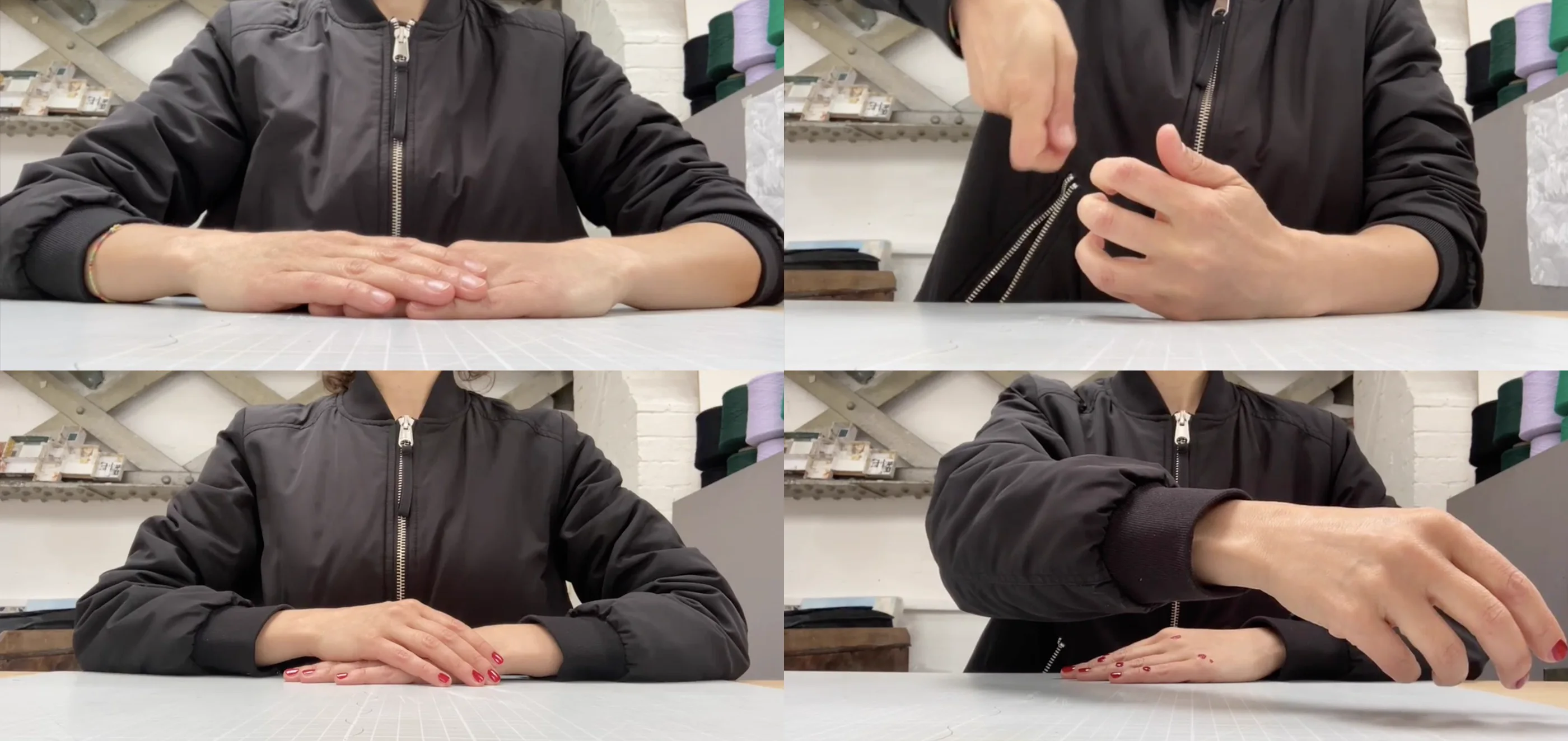
Image accompanying Zrinka Užbinec's talk 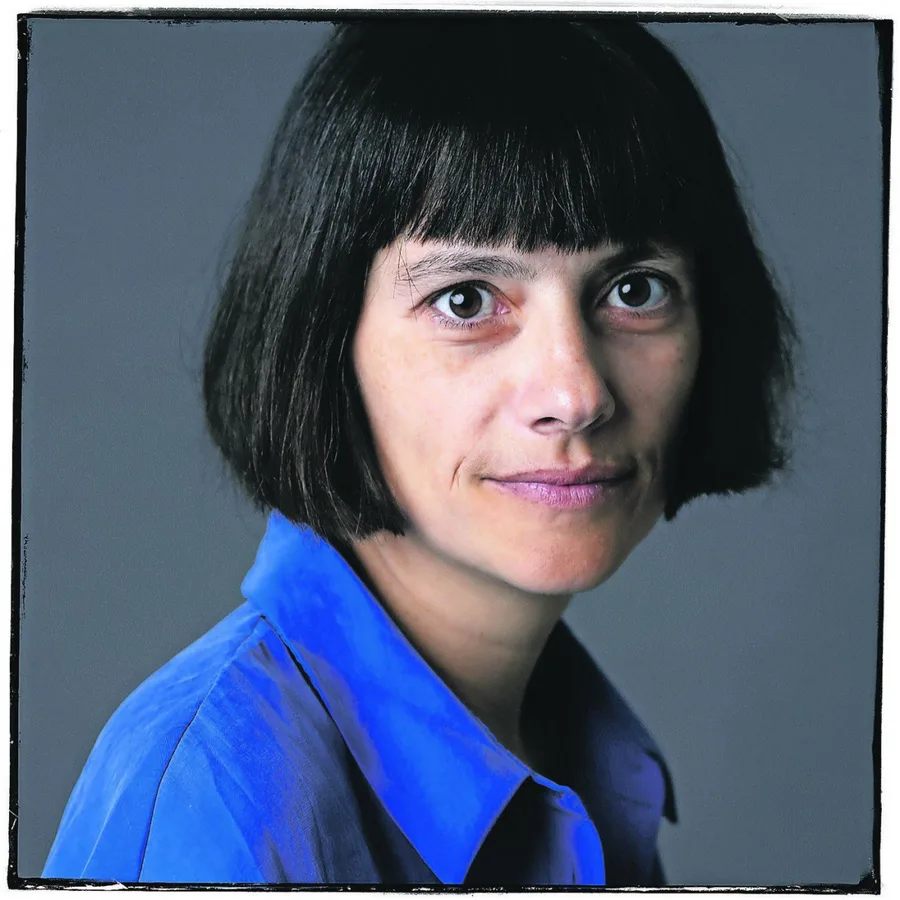 Dr. sc. Višnja PentićChoreographing a Shot – Film Tableau
Višnja Pentić graduated in Comparative Literature and English Language and Literature from the Faculty of Humanities and Social Sciences University of Zagreb, where she also earned a PhD in Film Studies.
Portrait: Ivan Posavec
The theme of the presentation is the self-conscious use of the tableau style as a narrative strategy in contemporary Croatian film. Two recent, multiple award-winning works will be used as case studies, the short feature film Short Cut Grass (Niska trava, 2023) by David Gaša, which depicts the oppressive monotony of growing up in the provinces, and the feature film Safe Place (Sigurno mjesto, 2022) by Juraj Lerotić, which addresses the blindness of state apparatuses to the mentally and emotionally fragile states of individuals.
The films are connected by an idiosyncratic film language based on strictly formalized static shots of long duration in which emotional plasticity and dynamics develop through emphatically geometric compositions with the aim of conveying the emotions of discomfort, non-belonging and confusion experienced by the characters. The procedure is based on emphasizing the specific tension inscribed in the logic of moving images as a medium that frames movement, and whose meaning is complicated according to the principle of cumulative interdependence of all shots. The presentation will be based on an in-depth analysis of selected frames-tableaux from the aforementioned films, which will serve as a starting point for establishing theoretical hypotheses about the relationship between frame, movement, and the two-dimensional surface of the film image.
Biography
She teaches film theory at both the Academy of Dramatic Art and the Faculty of Humanities and Social Sciences at University of Zagreb.
In 2012, she received the Vladimir Vuković Award for Best New Critic and, in 2016, the annual Vladimir Vuković Award for Best Croatian Critic. Višnja contributes essays on literature, cinema, and visual arts to Croatian National Radio Channel 3 and various magazines. She also regularly conducts film criticism workshops in non-institutional settings.
Links
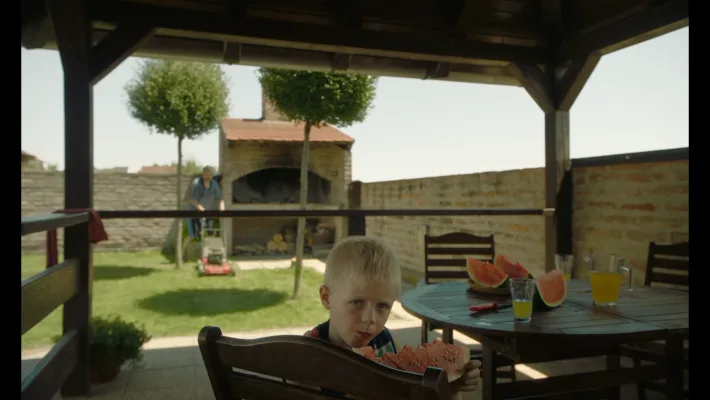
Niska trava · film still 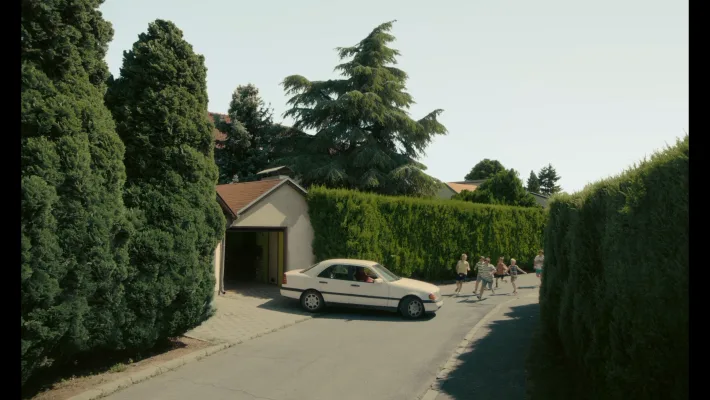
Niska trava · film still 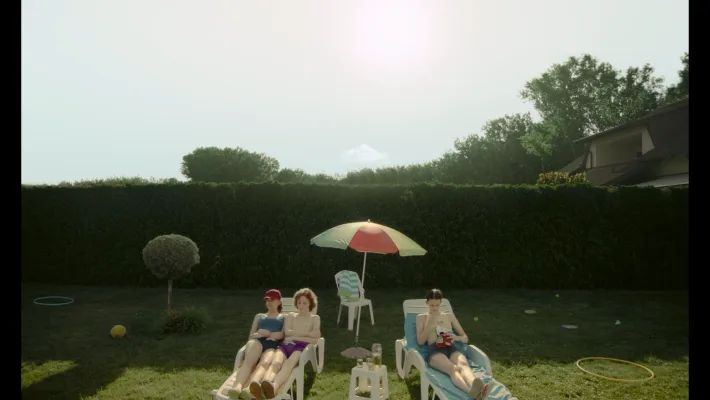
Niska trava · film still
 University of Zagreb